
When you think about the look and feel of your home, what immediately comes to mind? For many, the answer is hardwood floors. These timeless surfaces are the backbone of home design, providing warmth, elegance, and durability. However, like any surface, even hardwood floors can begin to show their age. This leads homeowners to wonder: is it worth refinishing your hardwood floors?
The decision to refinish hardwood floors is much like deciding whether to restore a classic car or repaint an old portrait—both require effort, but the result can be transformative. Just as a worn-out car can regain its shine with a bit of elbow grease, so too can your hardwood floors. But before you dive into this project, there are several factors to consider. In this blog post, we’ll explore the benefits of refinishing hardwood floors, the process involved, and whether it’s the right choice for your home in Michigan.
What Does It Mean to Refinish Hardwood Floors?
Refinishing hardwood floors is like giving your flooring a fresh coat of paint, except in this case, it’s about sanding down the existing surface and applying a protective finish to bring back its natural beauty. The process removes old stains, scratches, and scuffs, revealing the underlying wood that has been hidden beneath layers of wear and tear. Refinishing can restore your hardwood floors to their original luster, making them look like new again.
There are a few methods to refinish hardwood floors, ranging from light sanding and buffing to more extensive sanding that removes deeper imperfections. The process also involves applying new coats of finish, such as polyurethane, which serves as a protective layer against future damage.
Why Refinishing Your Hardwood Floors Might Be Worth It
The decision to refinish your hardwood floors comes down to the value it brings to your home. Just as an artist can take a faded canvas and breathe new life into it with a fresh coat of paint, refinishing can revive your floors, making them as stunning as the day they were first installed.
1. Enhanced Aesthetic Appeal
One of the biggest reasons homeowners choose to refinish their hardwood floors is to restore their natural beauty. Over time, wood floors can become scratched, scuffed, and dulled due to high traffic, pets, and everyday wear. Refinishing eliminates these imperfections, restoring the wood’s grain, shine, and color.
Much like polishing a diamond, refinishing can reveal hidden beauty in your hardwood floors. After a proper sanding and refinishing, your floors will once again gleam like a newly cut gemstone, improving the overall aesthetic of your home.
2. Increased Home Value
Hardwood floors are often seen as a premium feature in homes, and refinishing them can significantly boost your property’s value. Buyers are drawn to homes with freshly refinished hardwood floors because they look well-maintained and elegant. If you’re planning to sell your home, investing in refinishing your hardwood floors can pay off handsomely.
In a competitive real estate market like Michigan, where potential buyers are looking for move-in ready homes, freshly refinished floors can set your property apart. The visual appeal alone can create a lasting impression, much like a new coat of paint can refresh the look of an old house.
3. Cost-Effectiveness
Refinishing hardwood floors is often more affordable than replacing them entirely. New hardwood flooring, especially quality wood, can be expensive, and installing it is a time-consuming process. Refinishing, on the other hand, is much more cost-effective and can provide similar results.
Consider refinishing as a way of breathing new life into something that already exists, like giving a classic car a new paint job instead of buying a brand-new model. The price tag is much lower, and the end result can be just as impressive.
4. Sustainability
Refinishing your hardwood floors is an eco-friendly choice. Rather than tearing out your old wood floors and contributing to landfill waste, you’re choosing to preserve the natural beauty of your home’s materials. It’s a sustainable alternative that doesn’t require cutting down new trees or manufacturing new materials.
In a world that’s increasingly concerned about environmental impact, refinishing your floors can feel like a small but meaningful contribution to sustainability. The process preserves what you already have, much like restoring old furniture instead of discarding it.
5. Long-Term Durability
Hardwood floors are incredibly durable, and when they’re properly maintained, they can last for generations. Refinishing your floors extends their lifespan by protecting the wood from damage. A fresh coat of finish not only restores the aesthetic appeal of your floors but also provides a layer of protection against scratches, stains, and moisture.
Just like a well-maintained leather jacket, refinished floors can stand the test of time, looking better and lasting longer than they would otherwise.
The Refinishing Process: What to Expect
Refinishing hardwood floors is a multi-step process, but when done correctly, the results can be stunning. If you’re wondering how long the process will take or what’s involved, here’s a general breakdown:
1. Inspection and Preparation
Before the actual refinishing begins, a thorough inspection of your hardwood floors will take place. This is to assess the condition of the wood, identify areas that need repair, and determine the best course of action. Depending on the age and condition of your floors, some repairs may be necessary before refinishing.
Once the inspection is complete, the area will need to be cleared of furniture and covered to protect surrounding areas from dust. Think of this step like preparing a canvas before an artist begins to paint—it ensures a clean and pristine work area for the refinishing process.
2. Sanding the Floor
Sanding is the most labor-intensive part of refinishing, and it’s where the magic really happens. The old finish is removed, along with any scratches, stains, or imperfections in the wood. Sanding also smooths out any uneven surfaces, ensuring that the new finish will adhere properly.
Depending on the level of sanding required, this process can take several hours or even days. The goal is to remove enough of the old surface to reveal fresh, clean wood beneath without compromising the integrity of the floor.
3. Staining (Optional)
After sanding, you can choose to stain your floors for a darker or lighter appearance. Staining is optional, but it allows you to customize the color of your hardwood floors to suit your home’s decor.
The right stain can make a significant difference in the overall look of the floor, much like choosing the right paint color can transform a room. However, keep in mind that staining may add extra time to the project.
4. Applying the Finish
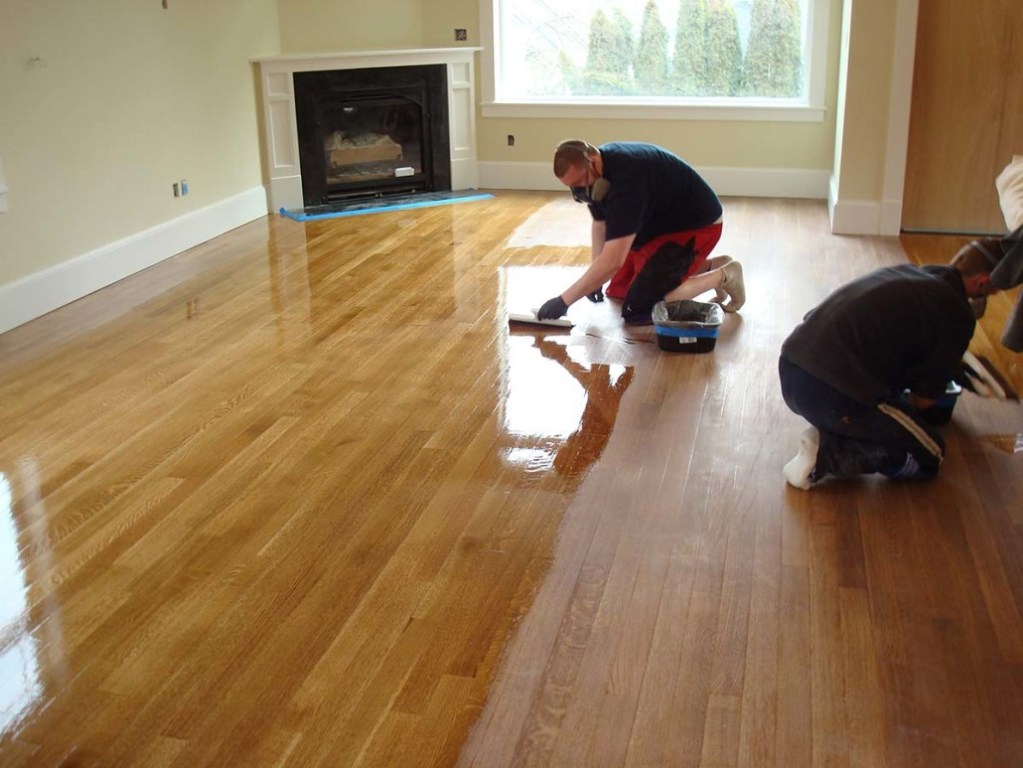
Once sanding (and possibly staining) is complete, the floor is ready for the finishing touches. A protective finish, such as polyurethane, is applied to the surface. This not only gives the wood a smooth, glossy appearance but also adds a layer of protection against scratches, spills, and wear.
Applying the finish is similar to varnishing a piece of wood furniture—it seals the wood, enhances its natural beauty, and provides a lasting layer of protection.
5. Drying and Curing
After the finish is applied, the floors need time to dry and cure. Depending on the finish used, this can take anywhere from 24 to 48 hours. During this time, it’s important to avoid walking on the floor or moving furniture back in, as the finish needs time to set properly.
This waiting period is like letting a freshly painted wall dry—it’s necessary for the end result to be as flawless as possible.
When Should You Refinish Your Hardwood Floors?
Knowing when to refinish your hardwood floors is crucial. While it’s tempting to dive into a refinishing project at the first sign of wear and tear, there are certain situations where it makes more sense than others.
Signs It’s Time to Refinish:
- Visible Scratches and Scuffs: If your floor is covered in noticeable scratches or scuffs that can’t be buffed out with regular cleaning, it’s time to consider refinishing.
- Worn Finish: When the finish starts to wear thin or looks dull, it’s a clear sign that your hardwood floors could benefit from a refinishing.
- Water Damage or Stains: If your floors have been damaged by water or have deep stains, refinishing can often bring them back to life, though significant damage may require board replacement.
Signs It’s Not Time to Refinish:
- Minor Surface Scratches: Small, superficial scratches can often be buffed out without the need for a full refinishing. In this case, simple maintenance like cleaning or using a wood repair kit may be all that’s necessary.
- Major Structural Issues: If your hardwood floors have significant structural issues (such as warping or deep gouges), refinishing may not solve the problem. These types of issues may require more extensive repairs or even replacement.
How Much Does Refinishing Hardwood Floors Cost?
Refinishing hardwood floors in Michigan can vary in cost depending on several factors, including the size of the area, the condition of the wood, and the type of finish you choose. On average, you can expect to pay anywhere from $2 to $5 per square foot for refinishing services. While this may seem like an investment, it’s much cheaper than replacing your floors entirely.
In some cases, the cost may be higher if repairs are necessary or if the floors need extensive sanding. However, the cost of refinishing is still relatively modest compared to installing new hardwood floors.
Is Refinishing Worth It?
Ultimately, the question of whether refinishing your hardwood floors is worth it depends on your priorities as a homeowner. If you want to restore the natural beauty of your floors, improve the value of your home, and enjoy a fresh, new look without the expense of new flooring, then refinishing is definitely worth considering.
Refinishing your hardwood floors is an investment that can pay dividends in both aesthetic appeal and long-term durability. It’s like putting a fresh coat of polish on an antique piece of furniture—preserving its value, enhancing its beauty, and making it shine for years to come.
In Michigan, where hardwood floors are a common feature in many homes, refinishing can also give your home a distinct edge. Whether you plan on selling in the near future or simply want to make your living space more inviting, refinishing provides a cost-effective way to improve the overall look and feel of your home.
Final Thoughts
If you’re still on the fence about refinishing your hardwood floors, take a step back and think about the long-term benefits. Do you love the character and charm that hardwood floors bring to your home? Do you want to increase your home’s value without the high cost of replacement? If you answered yes to either of these, then refinishing may be exactly what you need.
Refinishing can breathe new life into worn-out floors, saving you the hassle and expense of full replacements. And if you’re not sure whether your floors are a good candidate for refinishing, a professional evaluation can help you make the right decision.
Ready to Bring Your Hardwood Floors Back to Life?
If you’re in Michigan and considering refinishing your hardwood floors, Cimple Home is here to help. Our experienced team specializes in refinishing hardwood floors to restore their original beauty and extend their lifespan. Whether you have small areas of wear or large spaces in need of a complete transformation, we’re equipped to handle projects of any size.
Take the first step toward rejuvenating your home—contact us today to learn more about our hardwood refinishing services or get a free estimate.
Get a Free Estimate for Your Hardwood Refinishing Project with Cimple Home!