

When it comes to boosting your home’s curb appeal and ensuring its longevity, siding plays a crucial role. Like the cover of a book, siding is the first thing people see and sets the tone for the rest of your home’s exterior. As we move into 2024, understanding the anatomy of siding becomes essential for homeowners looking to enhance their property. This guide will delve into the key components of siding, provide detailed installation tips, showcase real-world projects, and offer maintenance advice to keep your siding in top condition.
The Basics: What is Siding?
Siding serves as the protective layer for your home’s exterior, much like a shield guards a knight. It not only enhances visual appeal but also acts as a barrier against the elements. Its primary functions include protecting against water, wind, and pests, while also contributing to insulation and energy efficiency. For more information on energy efficiency visit Energy Star’s Home Efficiency Guide.
Key Components of Siding
1. Siding Material: The choice of siding material is akin to selecting the right outfit for a special occasion—each material offers different benefits and suits various needs. Here’s a closer look at some popular options:
- Vinyl Siding: Vinyl siding is like the Swiss Army knife of siding materials—versatile, low-maintenance, and cost-effective. It comes in various colors and styles, including horizontal panels, vertical panels, and shakes, making it adaptable to different architectural styles. It is also resistant to rot, insects, and UV damage, which minimizes the need for frequent repairs.
- Wood Siding: Wood siding offers a timeless, natural aesthetic akin to a classic tailored suit. Common types include cedar, pine, and redwood. While wood siding provides excellent insulation and a warm, inviting look, it requires regular maintenance, such as staining or painting, to prevent weather-related damage and insect infestation.
- Fiber Cement Siding: Fiber cement siding combines cement with cellulose fibers, creating a material that is both durable and flexible. It is like a high-tech outfit that can handle a variety of conditions. It resists fire, termites, and rot, and can mimic the appearance of wood or stucco. However, it is heavier and may require more labor to install compared to other materials.
- Metal Siding: Metal siding, often made from aluminum or steel, provides a sleek, modern appearance. It is like a contemporary jacket—durable and stylish. Metal siding is resistant to fire and pests and requires minimal maintenance. However, it can be prone to dents and scratches, which may require occasional touch-ups.
2. Underlayment: Think of the underlayment as the foundation of a house—a crucial layer that supports and enhances the performance of the siding. Underlayments, such as house wraps or felt paper, act as moisture barriers and help improve insulation. They prevent water from penetrating the walls and reduce the risk of mold and mildew growth.
3. Trim and Molding: Trim and molding are the finishing touches that give siding a polished look, much like the details on a finely crafted suit. These components include:
- Corner Boards: Used to frame the corners of the house, providing a clean, finished appearance.
- Window and Door Trim: Frames around windows and doors that seal gaps and enhance the home’s visual appeal.
- Soffits and Fascias: Cover the eaves and rafter tails, protecting the roofline and adding architectural interest.
4. Fasteners: Fasteners are essential for securing siding to the home’s structure, similar to how buttons hold a jacket together. Common fasteners include nails, screws, and clips, each suited to different types of siding materials. Proper fastening ensures that the siding remains securely in place and can withstand various weather conditions.
5. Flashing: Flashing acts as a protective barrier, directing water away from critical areas to prevent leaks. It is akin to adding a waterproof layer to a pair of shoes—essential for maintaining the integrity of the siding. Flashing is typically installed around windows, doors, and rooflines.
Installation Tips: Ensuring a Perfect Fit
Installing siding is like assembling a complex puzzle—precision and care are essential to achieve the desired result. Here are some detailed tips for a successful installation:
1. Preparation and Planning: Thorough preparation is crucial for a smooth installation. Start by removing old siding and repairing any underlying damage. Ensure the surface is clean and dry to promote proper adhesion of the new siding. Plan the layout and ensure that all necessary materials and tools are on hand before starting the project.
2. Accurate Measuring and Cutting: Accurate measurement is critical for a seamless installation. Measure the height and width of each wall and account for any openings, such as windows and doors. Use these measurements to cut the siding panels to size. Ensuring precise cuts helps prevent gaps and overlaps, contributing to a more professional finish.
3. Ventilation and Drainage: Proper ventilation and drainage are vital for preventing moisture buildup behind the siding. Install a house wrap or moisture barrier to direct water away from the walls. Ensure that the siding is installed with proper gaps and spacing to allow for expansion and contraction.
4. Proper Installation Techniques: Follow the manufacturer’s instructions for installation to ensure that the siding performs as intended. Use the appropriate fasteners and spacing to secure the panels. Start at the bottom of the wall and work your way up, overlapping each row to prevent water infiltration.
5. Sealing and Insulating: Proper sealing around edges and joints helps prevent air and water leaks. Apply caulk or sealant to gaps and joints to create a watertight seal. Additionally, insulating underneath the siding can improve energy efficiency and comfort by reducing heat loss.
Choosing the Right Siding for Your Environment
Selecting the appropriate siding for your home involves more than just aesthetics; it requires considering how different materials perform in various environmental conditions. Understanding these factors can help you make an informed choice that balances durability, maintenance, and visual appeal. Here’s a guide to choosing the right siding based on your home’s environment:
Climate Considerations
- Cold Climates: In areas with harsh winters, siding needs to withstand freezing temperatures, snow, and ice. Materials like fiber cement and vinyl are excellent choices as they resist cracking and warping in extreme cold. Fiber cement’s resistance to moisture also prevents issues like mold growth.
- Hot and Humid Climates: In regions with high temperatures and humidity, siding should be able to handle intense sun exposure and prevent moisture buildup. Vinyl siding is UV-resistant and low-maintenance, making it suitable for such environments. Fiber cement also performs well, providing durability and resisting warping.
- Coastal Areas: For homes near the coast, siding must withstand saltwater, high winds, and humidity. Vinyl siding is a good option due to its resistance to salt and moisture. Metal siding can also be effective, provided it has a protective coating to prevent corrosion. Additionally, using additional flashing and moisture barriers can enhance protection against the elements.
Urban vs. Rural Settings
- Urban Areas: In cities, siding must handle pollution, soot, and potential impacts from nearby structures. Opt for materials that are easy to clean and maintain, such as vinyl or fiber cement. These materials offer good resistance to pollutants and can be cleaned with minimal effort.
- Rural Areas: In more rural settings, siding should be robust against natural elements like wind and wildlife. Wood siding, while requiring more maintenance, provides a natural look that blends well with rural environments. Ensure that wood siding is properly sealed to protect against moisture and pests.
Energy Efficiency
- Insulated Siding: Some siding materials, like insulated vinyl, offer added energy efficiency by improving your home’s thermal insulation. This can help reduce heating and cooling costs, making it a valuable consideration if you’re looking to enhance energy performance.
- Reflective Coatings: Siding with reflective coatings can help reduce heat absorption, which is beneficial in hot climates. Metal siding often comes with such coatings, helping to maintain a cooler interior temperature.
Maintenance and Longevity
- Low-Maintenance Options: If you prefer a low-maintenance solution, consider vinyl or fiber cement siding. These materials require minimal upkeep, resisting issues like rot, insects, and fading.
- High-Maintenance Options: Wood siding offers a classic look but requires regular maintenance, including painting and sealing. If you choose wood, be prepared for ongoing care to ensure its longevity and performance.
By considering these factors, you can select siding that not only enhances your home’s appearance but also meets the demands of your specific environment. This approach ensures that your investment provides long-term benefits and maintains its beauty and functionality. For more information read our guide Michigan Climate & Your Homes Siding: Essential Considerations Before Replacement.
Siding Maintenance and Care
Maintaining your siding is essential for prolonging its lifespan and keeping your home looking its best. Regular upkeep is like routine care for a valuable asset. Here’s how to keep your siding in top condition:
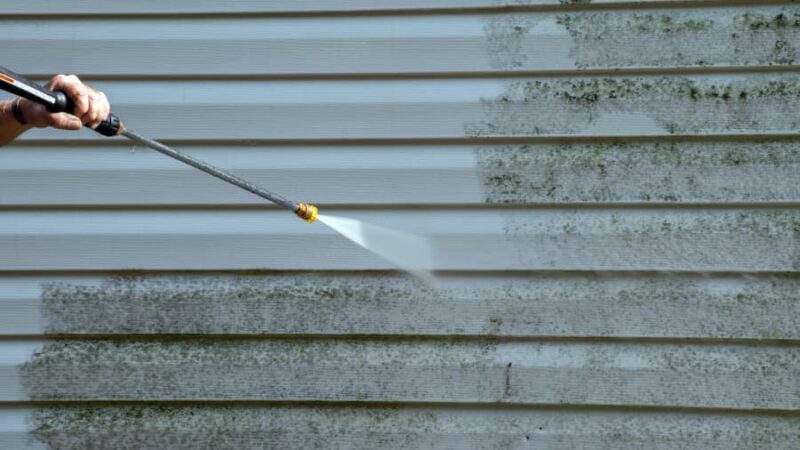
- Routine Cleaning: Regularly clean your siding to remove dirt, grime, and mildew. Use a soft brush or low-pressure washer to avoid damaging the surface. Cleaning helps maintain the appearance of the siding and prevents the buildup of harmful substances.
- Inspecting for Damage: Conduct periodic inspections to check for signs of damage, such as cracks, loose panels, or mold. Address any issues promptly to prevent further deterioration and protect the underlying structure.
- Repainting or Resealing: For materials like wood and metal, periodic repainting or resealing may be necessary to maintain appearance and performance. Follow the manufacturer’s recommendations for repainting or resealing intervals.
- Addressing Issues Promptly: Address any issues, such as leaks or damaged panels, as soon as they are detected. Prompt repairs help prevent more extensive damage and ensure the longevity of your siding.
Enhance Your Home’s Exterior with Us
Understanding the anatomy of siding is a crucial step in making informed decisions about your home’s exterior. Whether you’re considering new siding installation or need expert advice on maintenance, our team at Cimple Home is here to help. Visit our Siding Services Page to explore your options, request a quote, and schedule a consultation with our experienced professionals.