
When it comes to DIY home improvement projects, mixing concrete is as essential as knowing how to drive a nail into wood. Whether you’re tackling small outdoor projects like a garden path or large structural projects like a driveway, mixing concrete is a skill that every homeowner or DIY enthusiast in Michigan should have in their toolkit. This guide will walk you through everything you need to know about how to mix concrete like a pro—so you can complete your project successfully, efficiently, and with confidence.
Concrete Mixing Basics: What You Need to Know
Concrete is a blend of three basic ingredients: cement, sand, and gravel (or crushed stone). When combined with water, they form a mixture that hardens over time to create a strong, durable material. For your projects to come out as solid as a brick wall, it’s crucial to get the ratios right and understand the different tools and materials you’ll need to mix it properly.
Ingredients of Concrete
Before diving into the mixing process, let’s review the key ingredients that make up concrete:
Cement: This is the binding agent that holds all the ingredients together once mixed with water.
Sand: The fine aggregate that gives concrete its texture and helps fill in the spaces between larger particles.
Gravel or Crushed Stone: The coarse aggregate that adds volume and strength to the mixture.
Water: Water activates the cement, allowing the concrete to harden and bond.
A good ratio for most general-purpose projects is 1 part cement, 2 parts sand, and 3 parts gravel. However, this can vary depending on the project’s requirements, such as the strength needed for structural elements.
Tools You’ll Need
You wouldn’t go into battle without the right armor. Similarly, mixing concrete requires the right tools to ensure that the job gets done efficiently and safely. Here’s a list of tools you’ll need:
- Wheelbarrow or Mixing Tub: A wheelbarrow is useful for transporting the concrete mix, while a mixing tub gives you a stable surface to combine your materials.
- Shovel or Hoe: A sturdy shovel or hoe will help mix the ingredients together.
- Measuring Tools: To achieve the proper mix ratio, you’ll need a measuring cup or container to measure the sand, gravel, and cement accurately.
- Protective Gear: Concrete dust and splashes can be hazardous. Always wear gloves, safety goggles, and a mask to protect yourself from the dust.
- Water Source: A hose or a large container of water to adjust the consistency of the mix as needed.
- Concrete Mixer (Optional): If you’re working on a larger project, a concrete mixer is a time-saver and helps ensure a more consistent mix.
Once you’ve gathered your materials and tools, you’re ready to get started!
The Step-by-Step Process: How to Mix Concrete Like a Pro
Now that you know the ingredients and tools needed, let’s walk through the concrete mixing process step-by-step. Think of this as your recipe to cook up some durable concrete.
Step 1: Measure Your Ingredients
Start by measuring the right amounts of each ingredient. The standard mix ratio for general concrete is:
- 1 part cement
- 2 parts sand
- 3 parts gravel
For example, if you’re mixing a small batch, you might use 1 shovel of cement, 2 shovels of sand, and 3 shovels of gravel. When measuring larger amounts, it’s best to use buckets or containers to maintain consistency.
Step 2: Prepare the Mixing Area
Before adding any materials, prepare your mixing area. If you’re using a wheelbarrow or a mixing tub, place it on a flat surface that’s easy to access. If you’re working on a larger project, consider setting up a concrete mixer.
Step 3: Combine the Dry Ingredients
Start by adding the dry ingredients into your wheelbarrow or mixing tub. First, add the cement, followed by the sand, and then the gravel. Use a shovel or hoe to mix the dry ingredients together. This ensures that the cement evenly distributes throughout the other materials.
Step 4: Add Water Slowly
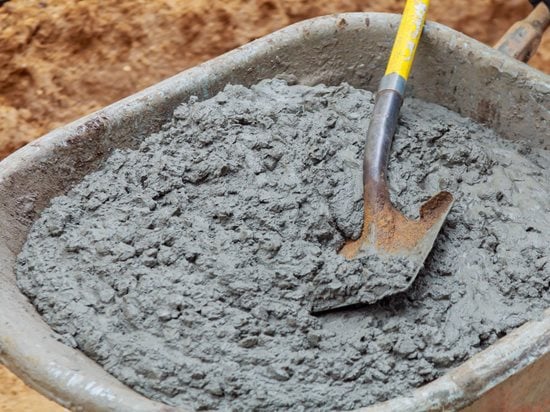
Now comes the tricky part—adding water. Add a small amount of water to the dry mix and stir it in with your shovel or hoe. You want to achieve a thick, paste-like consistency that’s slightly wetter than the dry ingredients but not runny. Adding too much water will weaken the mix, while too little water will make it too dry to work with. Aim for a consistency similar to peanut butter, with the ability to hold its shape without being too stiff.
Step 5: Mix Thoroughly
Once the water is added, mix the concrete thoroughly for about 3 to 5 minutes. Make sure that all the dry ingredients are incorporated and that there are no lumps. You want to achieve a uniform, smooth consistency. A properly mixed batch of concrete will have a slightly glossy texture and should be easy to work with.
Step 6: Use Immediately
Once your concrete is mixed, it’s time to use it immediately. Concrete starts to set within 30-60 minutes, so you need to work quickly. Pour the concrete into molds, formwork, or onto the project site, depending on what you’re working on.
Step 7: Smooth and Level the Surface
If you’re using the concrete for a flat surface like a sidewalk or slab, use a trowel to smooth and level the surface after it’s been poured. This will ensure that your concrete project has a polished, professional look. For edges, you can use a corner trowel to refine the shape.
Tips for Perfect Mixing Every Time
Here are a few tips to ensure your concrete mix is perfect every time:
- Don’t Overwater: Too much water can weaken your concrete, making it prone to cracks and structural failure. Remember, a drier mix is stronger.
- Mix in Small Batches: If you’re working on a small project, mix in small batches to ensure consistency. It’s better to mix a little at a time than risk having too much concrete that sets before you can use it.
- Use a Concrete Mixer for Large Projects: If you’re working on a large area, a concrete mixer can save you time and energy. It ensures an even mix without the need for manual mixing.
- Adjust for Weather: Michigan weather can change dramatically. On hot days, you might need to add more water to keep the mix workable, while cold weather may require using warm water to prevent the mix from freezing.
Common Concrete Projects in Michigan
Michigan homeowners have a variety of reasons for mixing concrete. Whether you’re sprucing up your yard, reinforcing your foundation, or adding a decorative touch to your landscape, concrete is a versatile material. Here are some of the most popular concrete projects for Michigan residents:
1. Driveways and Walkways
One of the most common uses for mixed concrete in Michigan is the creation of durable, long-lasting driveways and walkways. Due to the freeze-thaw cycle in Michigan, it’s important to use high-quality concrete for these outdoor projects to ensure longevity and minimize the risk of cracks.
- Preparation: Start by leveling the ground and preparing forms for your driveway or walkway. Make sure that the area is compacted and free of debris.
- Mixing Tips: For driveways, use a mix with a higher cement content for added strength to withstand the weight of vehicles.
2. Patios and Outdoor Spaces
If you enjoy spending time outdoors, a concrete patio can be a great addition to your home. Concrete provides a sturdy foundation for outdoor furniture and is resistant to Michigan’s harsh winters.
- Decoration: You can stamp or color your concrete to give it a unique look that matches your home’s style.
3. Foundations and Slabs
For any construction project, concrete is essential for forming the foundation. Whether you’re building a new shed, garage, or home addition, a strong concrete foundation ensures stability and durability.
- Mixing: For foundations, consider a stronger mix ratio to support the weight of the structure.
4. Garden Edging and Planters
Concrete is an excellent material for creating garden edging or planters that can withstand the elements. You can make custom concrete planters in various shapes and sizes to complement your garden design.
- Quick Tips: When making planters, mix the concrete to a thicker consistency to ensure it holds the mold’s shape.
5. DIY Projects
If you’re the creative type, concrete can be used for a range of DIY projects around the home. From making your own stepping stones to creating small concrete sculptures or furniture, the possibilities are endless.
- Flexibility: With a little creativity, you can transform concrete into practically any shape or design, making it a versatile medium for DIY enthusiasts.
Troubleshooting Common Concrete Mixing Issues
Even the best of us run into problems from time to time. Here are a few troubleshooting tips to help you avoid common issues when mixing concrete:
- Concrete is too dry: If your mix is too dry, add a bit more water, but only a little at a time. If you add too much, the mix will become too weak.
- Concrete is too wet: If you accidentally add too much water, you can try adding more dry ingredients, like cement and gravel, to balance it out.
- Concrete is lumpy: This usually happens when it’s not mixed thoroughly. Keep mixing until all lumps are gone and the texture is smooth.
Conclusion
Learning how to mix concrete properly can take your home improvement projects from amateur to expert in no time. By following the steps outlined above, you’ll ensure that your concrete is strong, durable, and ready to handle whatever your Michigan project requires. Whether you’re adding a new walkway to your home, building a solid foundation for a shed, or constructing an outdoor patio, the right concrete mix can make all the difference between a successful project and one that requires costly repairs down the road.
Don’t forget: the key to successful concrete mixing lies in understanding your materials, mixing them thoroughly, and using the correct ratios. Patience and attention to detail are your best friends when it comes to concrete. And with a little practice, you’ll be mixing and pouring like a pro.
If you need help with your concrete project or would prefer professional assistance, Cimple Home is here to make sure your project goes smoothly. Our team of experts in Michigan specializes in all kinds of concrete work, from small DIY projects to large-scale installations. Ready to get started? Visit our concrete services page to learn more and get a free estimate!