
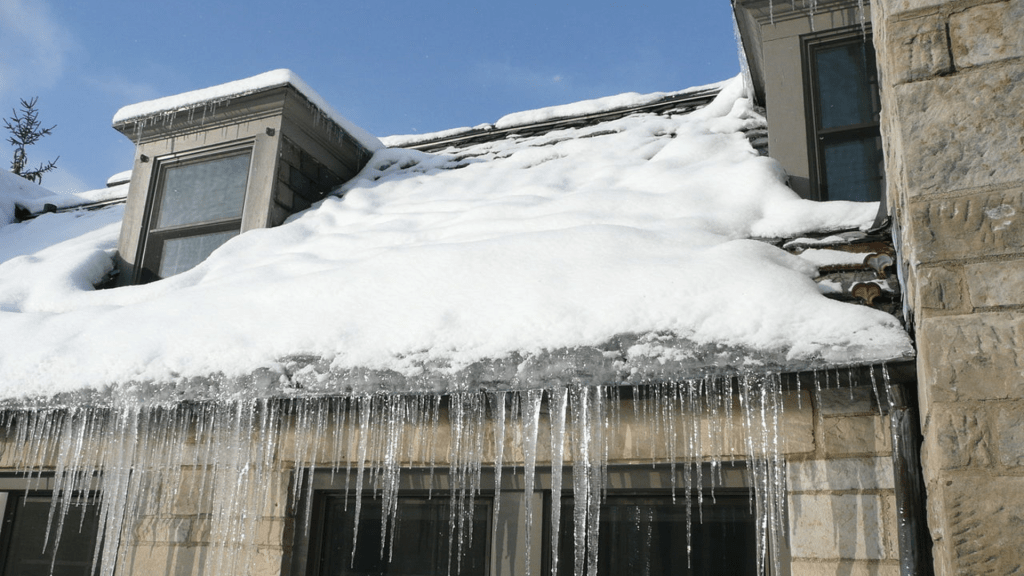
As winter approaches in Michigan, homeowners must prepare their homes for the harsh weather conditions that can lead to serious damage, especially to the roof. One common issue during these cold months is the formation of ice dams, which can cause leaks, water damage, and costly repairs. Preventing ice dams is crucial for the longevity of your roof and the safety of your home. In this blog post, we will guide you through the essential steps to prevent ice dams on your roof this winter, offering expert tips to protect your property.
What Are Ice Dams?
Think of ice dams as an unwelcome guest at your winter party. They’re formed when warm air from your home heats the roof, melting the snow that collects on it. The melted water flows down to the eaves, where it refreezes due to the colder temperatures near the roof’s edge. Over time, this cycle forms a dam of ice, blocking further melting water from draining off the roof. The trapped water can then back up under the shingles, leading to potential leaks, roof damage, and even interior water damage.
This phenomenon is as stubborn as an ice block stuck in the middle of your driveway—once it forms, it’s hard to reverse.
1. Improve Your Attic Insulation
The first step in preventing ice dams is ensuring your attic is properly insulated. Insulation acts like a cozy blanket for your home, keeping heat in and cold out. Without proper insulation, heat from your home rises into the attic, warming the roof surface and causing the snow to melt unevenly. As the water trickles down and reaches the colder roof edges, it refreezes, forming ice dams.
How to Improve Insulation:
- Add Insulation to the Attic Floor: Ensure there is enough insulation in the attic floor to prevent heat from escaping into the roof. A well-insulated attic keeps the roof cool and reduces the chances of snow melting.
- Seal Air Leaks: Check for gaps or cracks in the attic where warm air might be escaping. Sealing these leaks with weatherproof caulk or spray foam prevents the buildup of heat that contributes to ice dam formation.
Tip: In Michigan, where winter temperatures can dip significantly, it’s essential to have a minimum of R-38 insulation in your attic to prevent heat loss and avoid the formation of ice dams.
2. Ventilate Your Roof Properly
Good roof ventilation is like opening the windows on a hot summer day—it lets the house breathe and regulates temperature. In winter, it does the same for your roof. Proper ventilation helps to maintain a balanced temperature on the roof, reducing the likelihood of warm air causing snow to melt unevenly. If the attic remains cold, the snow will melt and drain properly without creating conditions for ice dams.
How to Improve Roof Ventilation:
- Install Soffit Vents: These vents, placed along the eaves of the roof, allow cool air to enter the attic and flow out through the ridge vents.
- Ensure Ridge Vents Are Unblocked: Ridge vents at the peak of the roof allow hot air to escape. Make sure these vents are clear of debris to enable proper airflow.
By improving ventilation, you keep your attic cooler and reduce the risk of ice dam formation.
3. Maintain Your Gutters and Downspouts
Gutters are crucial for directing water off your roof, but when clogged with leaves, twigs, and other debris, they can’t do their job. Imagine a clogged sink—the water has nowhere to go and eventually floods the surrounding area. Similarly, if your gutters are blocked, water from melting snow can’t drain properly, which contributes to the formation of ice dams.
How to Maintain Gutters:
- Clean Gutters Regularly: Before winter hits, make sure your gutters are free of leaves, sticks, and other debris that can cause blockages.
- Ensure Proper Drainage: Ensure your gutters are properly sloped to allow water to flow freely toward the downspouts. You may want to hire a professional to inspect your gutters to ensure they’re in good condition.
Tip: Installing a gutter guard can help prevent debris from clogging your gutters in the future, reducing maintenance and improving water flow.
4. Install Ice and Water Shield Underlayment
One of the most effective ways to prevent ice dams is to install ice and water shield underlayment along the eaves of your roof. This membrane acts like an invisible barrier, preventing water from seeping under shingles, even if ice dams form. Think of it as a protective armor for your roof.
How to Install an Ice and Water Shield:
- Hire a Professional Roofing Contractor: While homeowners can take steps to prevent ice dams themselves, installing an ice and water shield requires expertise. A roofing professional can apply this underlayment to the most vulnerable areas of your roof, particularly along the eaves.
Not only does this membrane keep your home safe from ice dams, but it also protects your roof from water leaks caused by heavy rain or ice buildup.
5. Keep Snow Off Your Roof
One of the most effective ways to prevent ice dams is to remove snow from your roof. While this can be a difficult and dangerous task, it’s crucial to ensure that snow doesn’t build up and melt, creating conditions for ice dams.
How to Safely Remove Snow:
- Use a Roof Rake: A roof rake with a long extension handle allows you to safely remove snow from the edges of your roof without climbing up. Be sure to avoid damaging shingles during the process.
- Hire a Professional: If you’re not comfortable with roof maintenance, consider hiring a professional to remove snow and inspect your roof for potential problems.
6. Regular Roof Inspections
A proactive approach to roof maintenance is essential in preventing ice dams. Regular roof inspections allow you to identify potential problems before they turn into costly issues.
What to Look for in a Roof Inspection:
- Missing or Damaged Shingles: Shingles that are cracked or missing can create gaps for water to seep into, which increases the likelihood of ice dams.
- Check for Signs of Roof Wear: Roofs that are old or have suffered wear and tear over the years may need to be replaced to prevent further damage.
In Michigan, where winters can be especially harsh, it’s critical to have your roof inspected at least once a year, ideally before winter sets in.
Protect Your Roof and Home This Winter
Ice dams are more than just an inconvenience—they can cause significant damage to your home’s structure and interior. By following these essential tips, including improving attic insulation, ensuring proper roof ventilation, and maintaining gutters, you can prevent ice dams from forming and protect your roof from winter damage.
If you’re unsure whether your roof is adequately prepared for winter, consider scheduling a professional roof inspection. The team at Cimple Home is here to help Michigan homeowners prevent ice dams and other roofing issues. With our expert services and attention to detail, you can rest assured that your roof will stand strong through even the harshest winter weather.
Ready to safeguard your roof this winter? Visit our Roofing Services Page to learn how Cimple Home can help you prevent ice dams and protect your home from winter’s worst.
One Response