

When you look up at your home, you see the roof—a crucial part of your house, much like the skin on your body. Just as the skin protects and covers, the roof safeguards your home from the elements. Understanding its anatomy can be like discovering the inner workings of a well-oiled machine. Each component plays a specific role, ensuring your home remains safe and secure.
In this comprehensive guide, we will break down the essential parts of a roof, explain their functions, and illustrate how they contribute to the overall integrity of your home. Whether you’re planning a roofing project or just curious about what makes your roof tick, this guide will provide you with valuable insights.
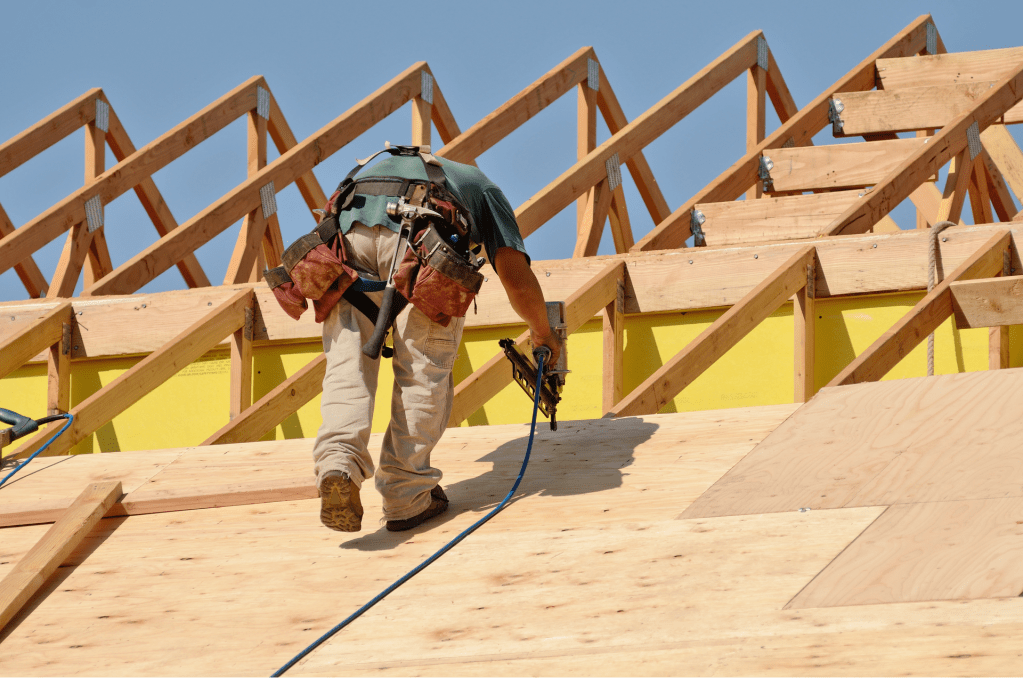
1. Roof Decking: The Foundation of Your Roof
Think of roof decking as the solid ground beneath your feet. It’s the base layer of your roof, made from plywood or oriented strand board (OSB). Just as a foundation supports a building, decking supports all the other roofing components. It forms the structural base upon which everything else is built.
Functions of Roof Decking:
1. Structural Support: It holds up the weight of roofing materials and prevents sagging.
2. Level Surface: Provides an even surface for installing shingles and other materials.
3. Moisture Management: Helps direct water away from the home, working with other layers to prevent leaks.
4. Insulation Base: Supports additional insulation to improve energy efficiency.
5. Component Integration: Works with underlayment and flashing to ensure effective protection.
Common Decking Materials:
- Plywood. Although effective, this roof deck method is outdated due to OSB offering better durability at a fraction of the price of what plywood costs.
- OSB (Oriented Strand Board). Usually 7/16 or 1/2 inch thickness.
- Plank Decking. Can be spaced or flush together boards. In the instance the plank boards are spaced at more the 3/4 inch, then it is recommended to overlay the whole roof deck with new OSB so the spacing does not interfere with the shingle nail lines.

2. Underlayment: The Roof's Protective Blanket
Underlayment acts like a thermal blanket, protecting your home from moisture and temperature extremes. Placed directly on top of the decking, this layer serves as an additional shield against water infiltration and helps in maintaining your home’s temperature, much like how a blanket keeps you warm during cold nights.
Functions of Underlayment:
- Provides a secondary layer of protection against water leaks.
- Acts as a barrier to prevent ice dams and snow infiltration.
- Enhances insulation and energy efficiency.
Types of Underlayment:
- Asphalt-saturated felt
- Synthetic underlayment
- Ice & Water Guard
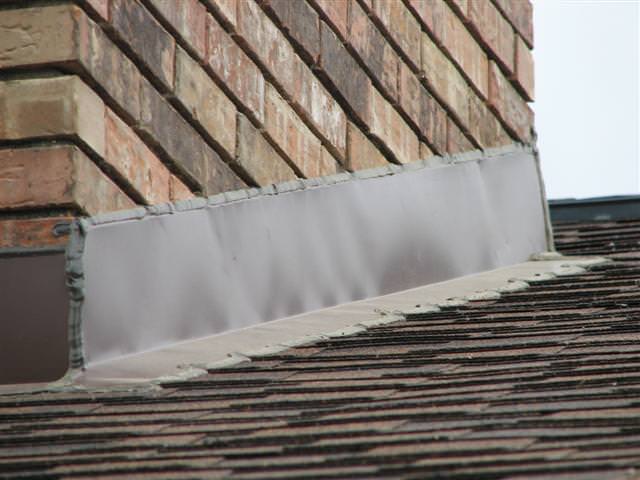
3. Roof Flashing: The Sealant Around Roof Penetrations
Flashing is akin to a well-fitted seal around a door, ensuring no unwanted elements sneak through. It’s installed around roof penetrations like chimneys, skylights, and vents to direct water away from these vulnerable areas. Effective flashing is crucial for preventing leaks and maintaining the integrity of your roof.
Functions of Roof Flashing:
- Prevents water from seeping into joints and seams.
- Directs water flow away from roof penetrations.
- Protects areas where different roofing materials meet.
Common Flashing Materials:
- Aluminum
- Copper
- Galvanized Steel

4. Roof Shingles: The Outer Armor
Roof shingles are like the armor of your home, designed to fend off the harshest weather conditions. They come in various materials, each offering different levels of protection and aesthetic appeal. Just as armor protects a knight, shingles protect your home from rain, wind, and UV rays.
Types of Roof Shingles:
- Asphalt Shingles: Popular for their affordability and durability.
- Wood Shingles: Known for their natural appearance and insulation.
- Metal Shingles: Offer exceptional durability and resistance to extreme weather.
- Slate Shingles: Valued for their longevity and classic look. Not a popular or wise choice for Michigan weather.
- Check out our guide for Choosing the Right Shingle for Your Home.
Functions of Roof Shingles:
- Protection from the Elements: Shingles shield your roof deck and underlayment from rain, wind, and UV rays. They act as the primary barrier against water infiltration and prevent damage to the underlying layers.
- Enhancing Curb Appeal: Shingles contribute significantly to the visual appeal of your home. With a variety of styles and colors available, they can complement or enhance the overall look of your property.
- Insulation and Temperature Regulation: Certain types of shingles, like those with reflective coatings, can help in regulating your home’s temperature by reflecting sunlight and reducing heat absorption. This can contribute to better energy efficiency and lower cooling costs.
- Longevity and Durability: High-quality shingles are designed to withstand harsh weather conditions and extend the lifespan of your roof. They resist damage from impacts, extreme temperatures, and moisture, helping to ensure long-term protection for your home.
- Maintenance and Repair: Shingles are relatively easy to replace if damaged. Individual shingles can be swapped out without the need to replace the entire roofing system, making maintenance and repairs more manageable. Learn How to Spot and Fix Common Roofing Problems Before They Become Disasters by clicking here.
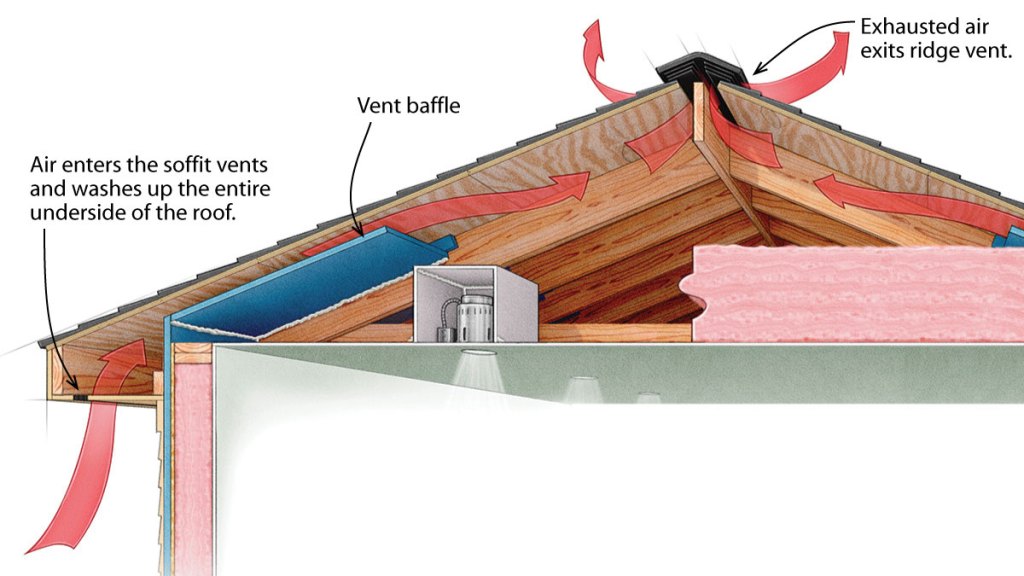
5. Roof Ventilation: The Breath of Your Roof
Roof ventilation can be compared to the lungs of your house, allowing it to “breathe” and manage internal temperatures. Proper ventilation prevents the buildup of moisture and heat, which can lead to roofing problems over time. Your roof needs the correct intake and exhaust ventilation which ensures that your roof remains in optimal condition by allowing for air circulation.
Functions of Roof Ventilation:
- Regulates temperature and reduces heat buildup in the attic.
- Prevents moisture accumulation and mold growth.
- Extends the lifespan of roofing materials. Improper ventilation will bake your roof deck and shingles from the inside out.
Common Ventilation Types:
- Ridge Vents
- Turtle Can Vents
- Soffit Vents
- Gable Vents
- Deck Air Vents

6. Roof Ridge: The Peak of Your Roof
The ridge of your roof is like the peak of a mountain, where everything converges. It’s the highest point where two roof slopes meet, playing a vital role in ensuring proper ventilation and preventing water infiltration. A well-maintained ridge ensures your roof remains strong and functional.
Functions of the Roof Ridge:
The roof ridge serves as the highest point where two roof slopes meet, playing a crucial role in both ventilation and water management. It facilitates proper air circulation by allowing warm, moist air to escape from the attic, which helps in preventing moisture buildup and potential mold growth. Additionally, the ridge is vital for directing rainwater off the roof and ensuring that it does not pool or seep into the roof structure. By providing a stable and elevated point for these functions, the ridge contributes to the overall structural integrity and longevity of the roof.

7. Eaves and Overhangs: The Roof’s Extended Armor
Eaves and overhangs function as the roof’s extended shield, offering additional protection to your home’s siding and foundation. Just as a coat’s overhang protects you from the rain, these components prevent water from running down the walls and causing damage.
Functions of Eaves and Overhangs:
- Protects siding and foundation from water damage.
- Enhances the architectural appearance of your home.
- Helps in directing water runoff away from the house.
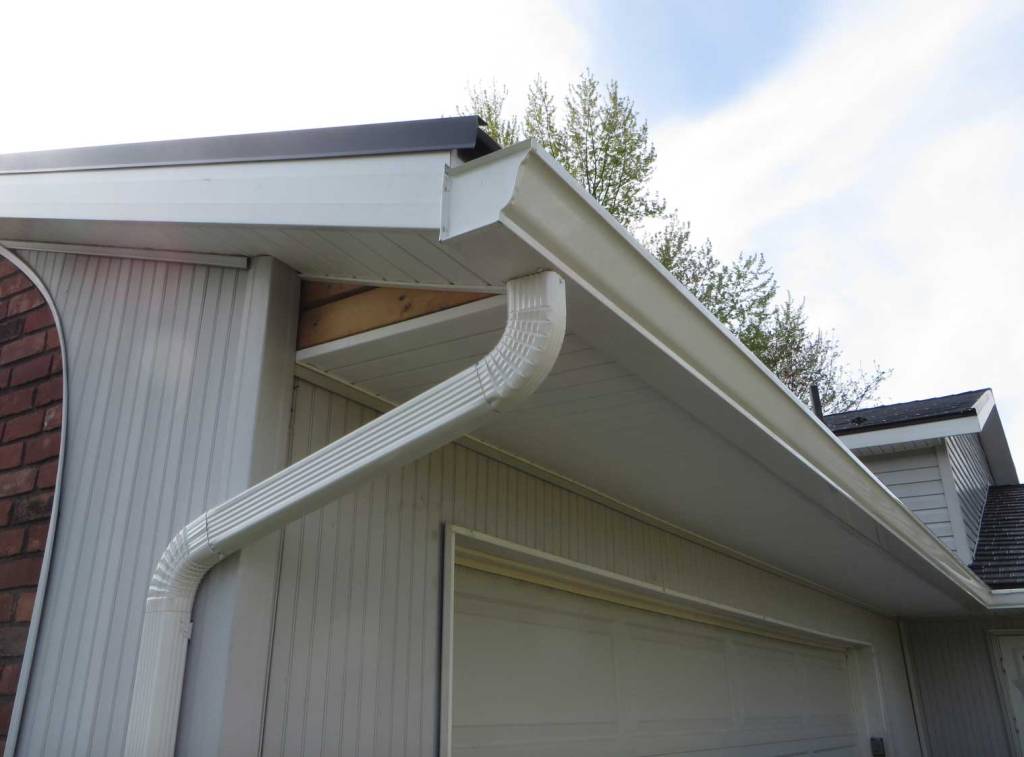
8. Gutters and Downspouts: The Roof’s Drainage System
Gutters and downspouts are the drainage system of your roof, much like how pipes manage the flow of water in a building. They channel rainwater away from the roof and foundation, preventing potential water damage and erosion. Properly functioning gutters and downspouts are essential for maintaining the health of your roof and home. To learn more visit our Gutter & Downspout service page.
Functions of Gutters and Downspouts:
- Directs rainwater away from the roof and foundation.
- Prevents water damage and erosion.
- Reduces the risk of basement flooding.
Maintenance Tips:
- Regularly clean gutters to prevent clogs.
- Check downspouts for proper drainage.
- Ensure that gutters are securely attached and free of damage.
- Read our article for the Top 10 Essential Tips for Gutters and Downspouts Maintenance here.
Real-Life Roofing Projects
In Michigan, where weather conditions can be particularly harsh with heavy snowfall and ice, proper roofing is crucial. One of our recent projects involved a historic Michigan home where we had to address significant wear and tear on the roof. The original plank decking had noticeable gaps due to age and weathering. To ensure a solid foundation, we overlaid the entire deck with new OSB, filling in the gaps and creating a smooth surface for the new shingles.
Additionally, we replaced old flashing around the chimneys and vents, which had deteriorated over time, leading to leaks. Installing new, high-quality flashing and adding improved ventilation helped prevent future issues. We also opted for durable asphalt shingles with a high impact rating to withstand Michigan’s snowy winters and strong winds. This project not only restored the home’s historic charm but also enhanced its resilience against the challenging Michigan climate, demonstrating the importance of thorough and well-planned roofing solutions.
The Importance of Professional Roofing Services
Understanding the anatomy of your roof is essential, but executing a roofing project or repair requires expertise. Professionals ensure that every component, from the decking to the shingles, is installed correctly and functions as intended. At Cimple Home, our team of experienced roofers is dedicated to delivering top-notch services that guarantee the longevity and performance of your roof.
To Wrap It All Up
Ready to enhance your roof with expert care and quality materials? Visit our roofing service page to learn more about roof solutions for your home and schedule a consultation. At Cimple Home, we’re here to ensure your roof remains a strong, reliable shield for your home.